
"vast majority"
800 article(s) found

A brief introduction to the treatment method of Grinding degree and Baking degree of Fine Coffee beans in Latisha Manor
Coffee was really introduced into Guatemala in 1750 by Father Jesuit, and the coffee industry was developed by German colonists at the end of the 19th century. Today, most of the coffee industry's production takes place in the south of the country. There are seven major coffee producing areas in Guatemala, and the flavor of the coffee produced in each area is different, but to sum up, the coffee in Guatemala is all

China Coffee Network recommends Brazilian coffee imported Brazilian flavor Bourbon Brazilian flavor blended coffee
Brazilian coffee Brazilian coffee refers to coffee produced in Brazil. There are many types of Brazilian coffee, most of which are unwashed and dried. They are classified according to the state of origin and port of shipment. Brazil has 21 states, 17 of which produce coffee, but four of them produce the most, accounting for 98% of the country's total production. Brazilian coffee has a low acidity in its taste,

What is Arabica coffee?
In many places where coffee is sold, it is not difficult to find words like "100% Arabica". Even canned coffee has a style called Arabica coffee, which makes one wonder: what is "Arabica coffee"?
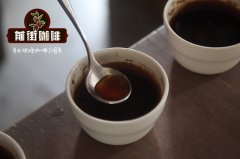
The production time of Brazilian boutique coffee is introduced in the large coffee bean producing countries in the world.
Professional coffee knowledge exchange more coffee bean information please follow the coffee workshop (Wechat official account cafe_style) [Brazil (Brazil)] origin of Brazilian coffee, generally refers to the coffee produced in Brazil. There are many kinds of Brazilian coffee. Like other Arabica coffee, Brazilian coffee is called Brazilian coffee Brazils to distinguish it from Milds coffee. The vast majority of Brazilian coffee is unwashed

Flavor description and treatment of Coffee beans from Cerro Asul in Colombia introduction to the taste of varieties
Flavor description and treatment of Cerro Asul coffee beans in Colombia Coffee workers pick coffee beans (also known as coffee cherries) by hand up the mountain, so they can be carefully selected to pick the most ripe and full fruits. The vast majority of Colombian coffee beans are washed with water, with a light, silky and sometimes silky taste after moderate baking.

Coffee Kingdom Brazil is located in Latin America in the Western Hemisphere.
Brazil is located in the Latin American region of the Western Hemisphere, located in the eastern part of South America and on the west coast of the Atlantic Ocean, bordering all countries on the South American continent except Ecuador and Chile; the vast majority of the territory lies between the equator and the Tropic of Cancer, is the most extensive tropical country in the world. The territory has a tropical rain forest climate and a tropical prairie climate. The superior tropical natural conditions are very suitable.
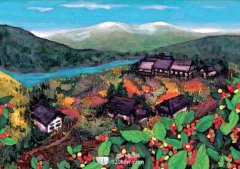
The origin of coffee beans introduces the common sense of Brazilian coffee beans
Brazilian coffee generally refers to coffee produced in Brazil. There is a wide variety of Brazilian coffee, the vast majority of which are unwashed and sun-dried, classified according to the name of the state of origin and the port of transport. Brazil has 21 states and 17 states produce coffee, but four of them produce the largest, accounting for 98% of the country's total output. Brazilian coffee has a low sour taste, which goes well with coffee.
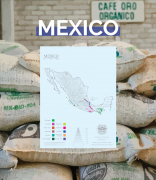
The world's ninth largest coffee exporter-Mexico coffee producing coffee bean characteristics History story
The vast majority (90%) of Mexico's coffee beans are grown in four states in the southern half of the country: Chiapas (44%), Oaxaca (11%), Veracruz (29%) and Puebla (11%)(Source: SIAP 2013). More than 500,000 farmers grow coffee, of which about 70 per cent are smallholders with land of less than 10 hectares. Large estates are rare. Only 0.06 percent.

Brazilian Coffee with mellow Flavor: introduction to Brazilian Fine Coffee
Brazilian coffee generally refers to coffee produced in Brazil. There are many kinds of coffee in Brazil. Like other Arabica coffee, Brazilian coffee is called Brazilian coffee Brazils to distinguish it from Milds coffee. The vast majority of Brazilian coffee is unwashed and sun-dried and is classified according to the name of the state of origin and port of transport. Brazil has 21 states and 17 states produce coffee, but among them

How to choose high-quality coffee filter paper recommended: filter paper metal filter cloth
Professional coffee knowledge exchange more coffee bean information Please pay attention to coffee workshop (Wechat official account cafe_style) Coffee filter paper is a disposable filter product, the vast majority of the use is used to filter coffee, the use of follicular coffee, the use of extremely dense fiber to retain ground coffee beans, coffee powder, the extracted coffee into the cup, get clean coffee soluble
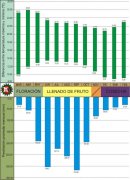
Geographical environment of Honduran coffee producing area in Central and South America cup test of Honduran coffee bean varieties
Honduran coffee has an excellent flavor. Caf de Honduras is synonymous with its people, traditions and living in harmony with the environment. Coffee production is a way of life for more than 100000 families who benefit from the production of this agricultural product. The vast majority of coffee produced in Honduras comes from 210 of the country's 298 municipalities and 15 of the 18 provinces.

Introduction to the flavor and taste characteristics of moderately roasted Brazilian boutique coffee beans
Brazilian coffee generally refers to coffee produced in Brazil. There are many kinds of coffee in Brazil. Like other Arabica coffee, Brazilian coffee is called Brazilian coffee Brazils to distinguish it from Milds coffee. The vast majority of Brazilian coffee is unwashed and sun-dried and is classified according to the name of the state of origin and port of transport. Brazil has 21 states and 17 states produce coffee, but among them

Boutique coffee beans Brazilian coffee the latest boutique coffee introduces unique flavor and full taste
Brazilian coffee generally refers to coffee produced in Brazil. There is a wide variety of Brazilian coffee, the vast majority of which are unwashed and sun-dried, classified according to the name of the state of origin and the port of transport. Brazil has 27 states and 17 states produce coffee, but four of them produce the largest, accounting for 98% of the country's total output. Brazilian coffee has a low sour taste, which goes well with coffee.
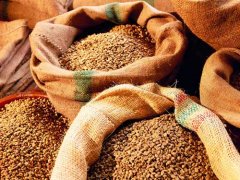
Boutique Coffee Manor introduction Caping Blanco Manor Vesta Allegre Manor Brazil
Brazilian coffee generally refers to coffee produced in Brazil. There is a wide variety of Brazilian coffee, the vast majority of which are unwashed and sun-dried, classified according to the name of the state of origin and the port of transport. Brazil has 21 states and 17 states produce coffee, but four of them produce the largest, accounting for 98% of the country's total output. Brazilian coffee has a low sour taste, which goes well with coffee.

Introduction to the characteristics, taste and origin of Brazilian coffee
Professional baristas exchange please follow the coffee workshop (Wechat official account cafe_style) Brazilian coffee characteristics of Brazilian coffee generally refers to the coffee produced in Brazil. There is a wide variety of Brazilian coffee, the vast majority of which are unwashed and sun-dried, classified according to the name of the state of origin and the port of transport. Brazil has 27 states and 17 states produce coffee, but 4 of them produce coffee.
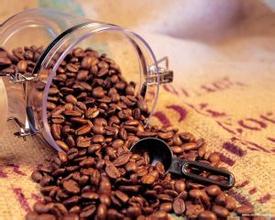
Caping Blanco Manor Vista Allegre Manor Fine Coffee beans Brazilian Coffee
Brazilian coffee generally refers to coffee produced in Brazil. There is a wide variety of Brazilian coffee, the vast majority of which are unwashed and sun-dried, classified according to the name of the state of origin and the port of transport. Brazil has 21 states and 17 states produce coffee, but four of them produce the largest, accounting for 98% of the country's total output. Brazilian coffee has a low sour taste, which goes well with coffee.
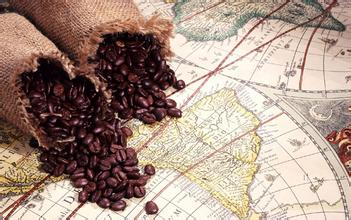
Boutique coffee beans-details of Brazilian coffee beans take you into the mysterious world of coffee
Brazilian coffee generally refers to coffee produced in Brazil. There is a wide variety of Brazilian coffee, the vast majority of which are unwashed and sun-dried, classified according to the name of the state of origin and the port of transport. Brazil has 21 states and 17 states produce coffee, but four of them produce the largest, accounting for 98% of the country's total output. Brazilian coffee has a low sour taste, which goes well with coffee.

Boutique coffee beans Brazilian coffee the latest coffee introduction and information
Brazilian coffee generally refers to coffee produced in Brazil. There is a wide variety of Brazilian coffee, the vast majority of which are unwashed and sun-dried, classified according to the name of the state of origin and the port of transport. Brazil has 21 states and 17 states produce coffee, but four of them produce the largest, accounting for 98% of the country's total output. Brazilian coffee has a low sour taste, which goes well with coffee.

Analysis on the Development Prospect of Coffee Industry in 2015
For the Chinese, after all, people who drink coffee every day are still in the minority, and for the vast majority of consumers, it is not a necessity of life. Emerging consumers (such as young white-collar workers, students) have a great interest in coffee, but they belong to the group of consumers who are more unstable, which means they are less likely to constitute lasting spending power. The stable consumers of coffee are mainly middle-aged men with knowledge.
Introduction of Brazilian Hilado Coffee Bean Flavor description Grinding scale treatment Manor
Brazilian coffee generally refers to coffee produced in Brazil. There are many kinds of coffee in Brazil. Like other Arabica coffee, Brazilian coffee is called Brazils to distinguish it from Milds coffee. The vast majority of Brazilian coffee is unwashed and sun-dried and is classified according to the name of the state of origin and port of transport. Brazil has 21 states and 17 states produce coffee, but four of them produce the most coffee.